
Finding Unity in Community
Jul 08, 2026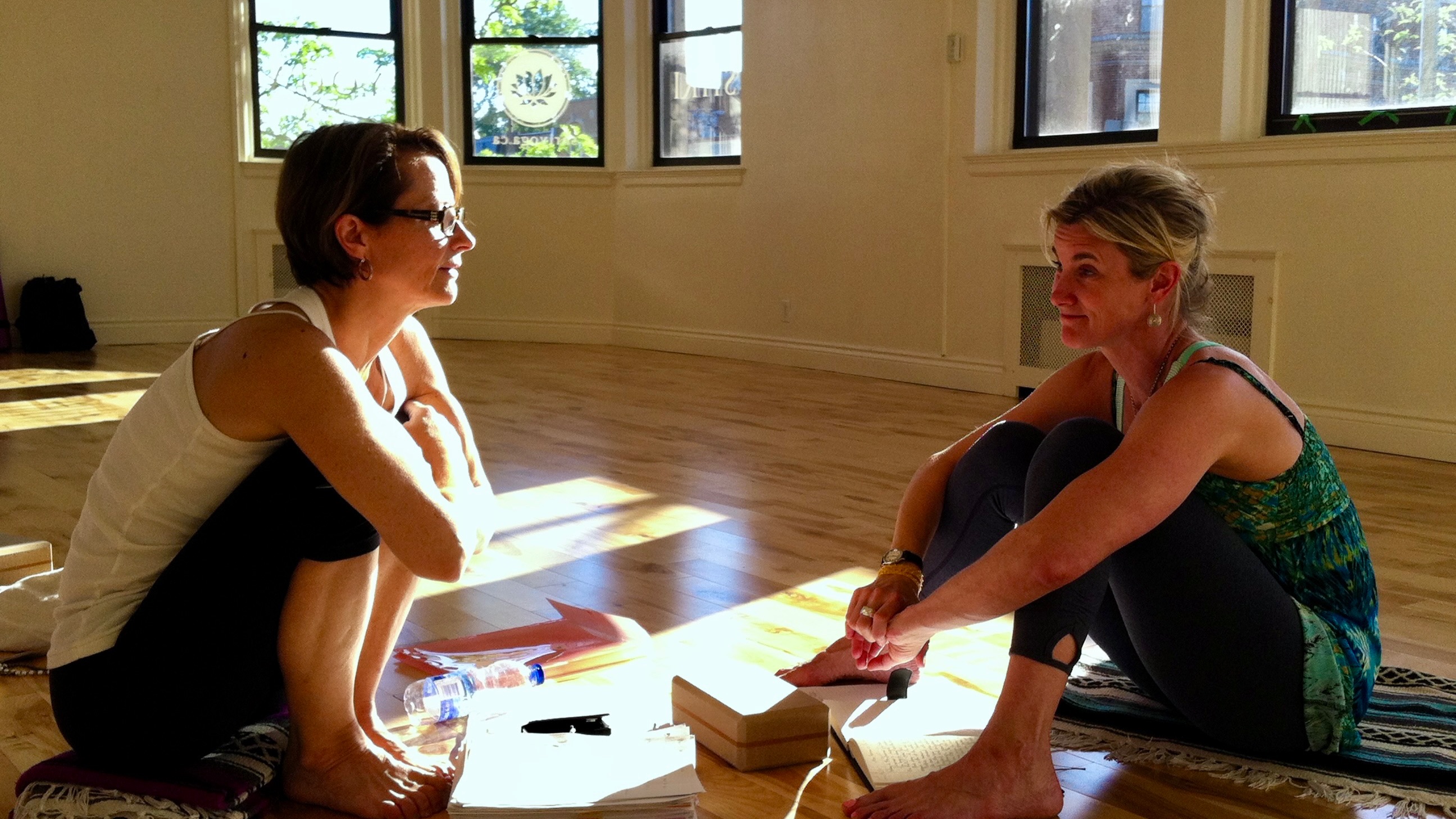
The first time I integrated the Work That Reconnects into my yoga teaching was at the first in-person retreat I led after the pandemic. After nearly two years of isolation, it felt essential that participants not just breathe, move, and meditate together, but also have an opportunity to speak about what they had lived through. I had found great value in practicing the Work That Reconnects — Joanna Macy's group process for cultivating resilience and meaningful action in service of life — so I decided to weave some of its practices into the retreat.
I guided the group through a series of sentence starters, prompts like “When I think about what I’ve lost this year...” Each person spoke for three uninterrupted minutes while a partner simply listened.
The room immediately came alive. It was as though everyone had been waiting for permission to speak openly and honestly about their experience — the exhaustion of living with long COVID, the grief of losing an elderly parent, the disappointment of a daughter's online graduation. There was no offering of advice or consolation, just open listening and the gift of being heard.
Long before "toxic positivity" entered our vocabulary, I had my own name for teachers who insisted that only uplifting experiences belonged in the yoga room. I called them “the relentlessly upbeat.” It drove me nuts even back then.
And yet, I recognize the same impulse in myself at times — the tendency to minimize or transcend a tough feeling before letting myself really feel it. What the Work That Reconnects has given me isn’t a way to rise above pain, but practices that help me move through it. Rather than bypassing what hurts, I can begin to metabolize it.
We might assume that sharing our struggles will make us dwell on them, or burden those around us. What was crystal clear that day was the opposite of both assumptions. Giving voice to our pain liberates energy. It loosens what feels stuck and restores our enthusiasm, vitality, and creativity. The more we share what’s real, the easier it becomes for others to do the same.
Psychotherapist Francis Weller writes:
It is our unexpressed sorrows, the congested stories of loss that, when left untouched, block our access to the vitality of the soul. To freely move in and out of the soul's inner chambers, we must first clear the way. This requires finding meaningful ways to speak of sorrow.
What nourishes us most is often something far more vulnerable than the polished, resilient selves we tend to present to the world: the freedom to tell the truth in the presence of compassionate listeners.
When we returned to our yoga after the exercise, there was a palpable shift in the room. The practices felt more purposeful and focused, the atmosphere lighter, the group energized and grateful for each other.
What I learned that day is that the unity that yoga points us toward isn’t found by pretending we're all fine or by transcending our humanity. We discover it by allowing ourselves to be fully human together. Perhaps one of community's greatest gifts isn’t that it takes away our suffering, but that it reminds us we don’t have to carry it alone.
If you're craving a community where difficult feelings are as welcome as joyful ones, I'm hosting a free, online Active Hope Reading Circle this summer, exploring Joanna Macy's framework for grief, resilience, and staying engaged with a hurting world. I’m thrilled that almost 100 people have joined so far. We start next week. Details and registration here.