
Requiem: On Honoring Endings and Making Space for the New
Oct 28, 2026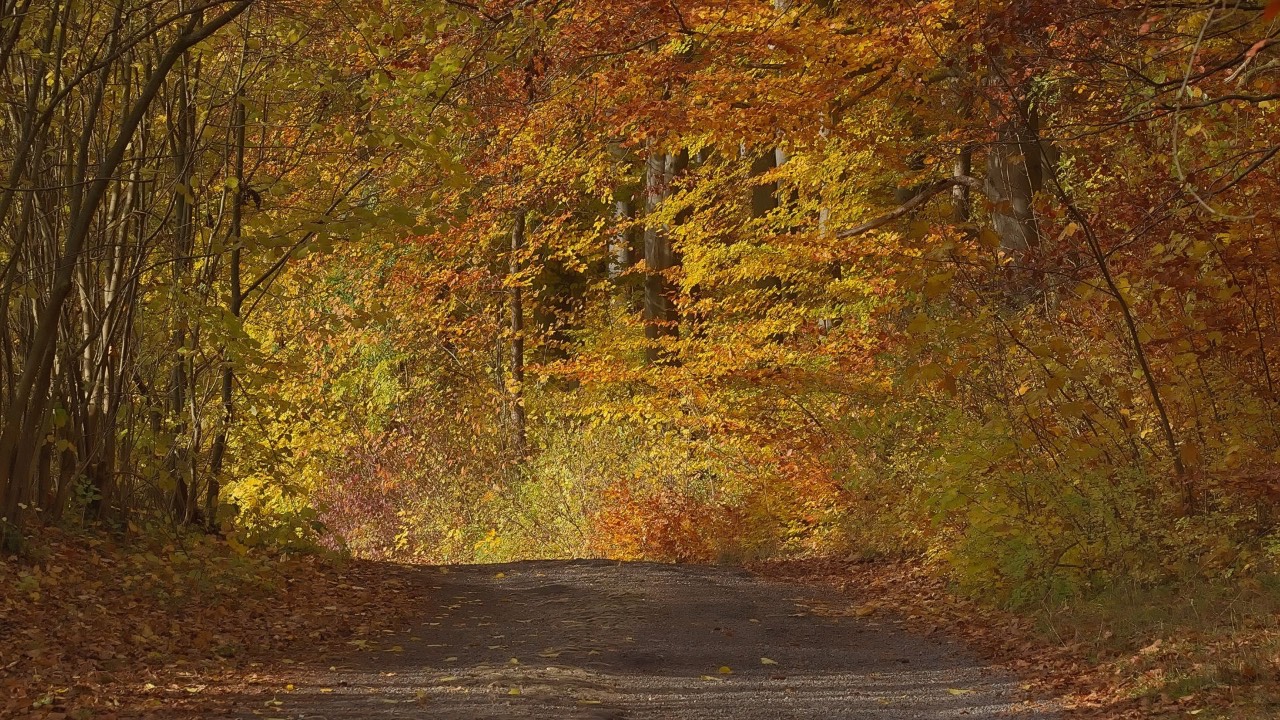
We’ve had the most spectacular fall weather in Montreal this month. A few weeks ago, I was driving along a country road, soaking in the magnificent parade of fall colours. The trees’ swan song felt like a fitting accompaniment to endings unfolding in my own life: the end of a 20-year marriage, the sale of our family home, and helping my 19-year-old daughter settle into her first apartment.
This week, the house was emptied. Room by room, the furniture went, then the boxes, then the accumulation of years. As my voice echoed across the bare rooms, I knew it was no longer my home.
Standing at the threshold of a new chapter feels exciting, and a little scary. What has surprised me most is the clarity I have about the decisions I’ve made, and the trust I feel that these changes are right for me. Even amid the uncertainty, there is a deep knowing that this is where I am meant to be right now.
And yet, even when we know it is time to move on, there is something vital to be honored in what we leave behind.
A requiem is traditionally a prayer or musical composition for the dead. But I find myself drawn to its broader meaning: an act of remembrance, a way of honoring what has passed.
We need rituals for the endings that mark our lives, not only to grieve what is lost, but to honor what has been: the love, the gifts, the lessons, and the ways our experiences have shaped us.
I know I’m not alone in navigating profound internal and external shifts. Many of us are moving through major transitions in our personal lives even as the world around us changes at an accelerating pace. Collectively, we are facing endings whose full implications we cannot yet know, and an emerging future that remains uncertain.
The yoga traditions invite us to look beyond a purely linear understanding of time and recognize the cycles that shape existence. Birth, death, and renewal are woven into the nature of life, from the turning of the seasons to the rhythm of our own breath. Life is continually arising, unfolding, and passing away, making room for what comes next.
In the natural world, what dies becomes nourishment for new life. Fallen leaves break down and return their nutrients to the soil. What has ended can create the conditions from which something else can grow. This doesn't erase the pain of loss, but it reminds us that endings and beginnings are part of the same ongoing process.
In the space between an ending and a new beginning, can we allow ourselves to grieve what is passing while remaining open to what has not yet taken shape?
Yoga offers us ways to work with these cycles, not by ignoring reality, but by helping us meet change with greater presence and flexibility.
In the tantric traditions of Kashmir Shaivism, the junctures of the breath - the pauses after inhalation and exhalation - are recognized as doorways into awareness itself. In these tiny spaces, we can glimpse a stillness that is present even as the breath continually changes.
The practice below can be done as a small requiem. It is not about finding answers or even resolution. It's about experiencing, through the breath, the ongoing cycle of arising, dissolving, and beginning again. Learning to inhabit these cycles in our bodies, while sensing the space that holds it all, can help us flow with the larger cycles of our lives.
Watching the last of the leaves fall in Montreal this week, I am reminded that we don't have to know what comes next to meet this moment. The pause between breaths isn’t empty, and neither were the rooms, once the furniture was gone.
With every ending, something new is already taking shape.
A small requiem: A practice for the spaces between
- Find a comfortable position and allow your breath to settle into its natural rhythm. Become aware of your body and soften anywhere you notice holding.
- Feel the inhalation arriving, the brief pause at its completion, the exhalation releasing, and the tiny space of stillness before the next breath begins.
- Each inhalation arises; each exhalation passes away. And from the space between, another breath emerges.
- Continue for a minute or two, simply observing this natural cycle. There is nothing to force or control. If focusing on the pauses feels uncomfortable, return to the gentle flow of your breath.
As you breathe, consider: What in my life is coming to an end? What do I want to honor in what has been? What do I need to grieve?
You don't need to find answers. Simply soften, listen, and offer yourself the same compassion and patience you would a loved one.