
Finding Steady Ground in a Shifting World
Dec 03, 2025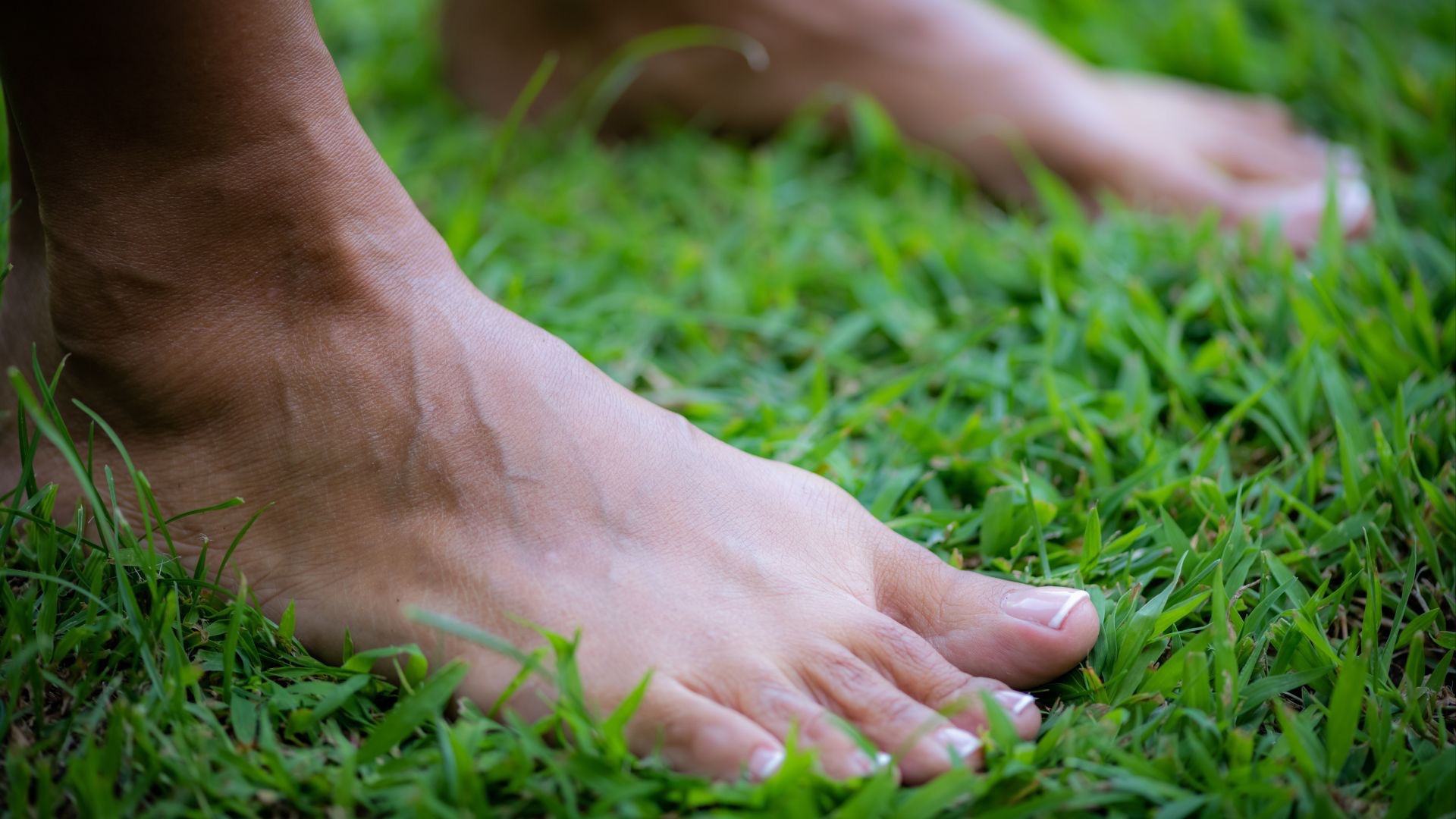
I can still feel the visceral jolt of ungroundedness I experienced a few years ago on the treadmill. I was ramping up my speed and incline, ready to go for it, when the machine suddenly hesitated—just a tiny hiccup. But that split-second pause threw me completely off. I went from feeling free and powerful in my stride to cautious, wary, and unsure. My body shifted from charging forward to bracing against a fall that never came.
That moment revealed the truth of yoga's most fundamental teaching: impermanence. Life is uncertain, temporary, and always shifting. Everything changes. Nothing stays fixed. As mythologist Michael Meade says, a false sense of security is the only kind there is.
We feel this constantly in yoga: poses shift, balance wavers, the mind flickers, the breath changes moment to moment. Through practice, we learn to notice these fluctuations —and our reactions to them —and train ourselves to stay centered even as everything shifts.
But here's what we're not talking about enough: in 2025, the ground really is shifting. Economic uncertainty, political turbulence, climate anxiety, AI disruption, global instability—we're all running on wobbly treadmills. Yet we might still blame ourselves for feeling unsteady.
We tell ourselves we should be more resilient, more serene, more together. We scroll through curated feeds of people who seem to have it all figured out and wonder what's wrong with us.
But what if nothing is wrong with you? What if you're responding exactly as any conscious human would to the unprecedented uncertainty of this moment?
When we stop dismissing our experience of uncertainty, something softens. We can finally have compassion for ourselves and each other. We can stop pretending we’re supposed to be fine.
So how does yoga help us find genuine solid ground when the world offers so little?
One answer: through a multilayered practice that builds a steady inner foundation to anchor into when the outer world keeps shifting.
First, the body.
Feel your sitting bones, your feet on the floor. This isn't metaphorical—it's physiological. When we ground physically downward, we signal safety to our nervous system. We're literally telling our body: You can let go. You are supported. You won't fall.
Then, the breath.
Let your exhale drop softly into your lower belly. When your exhale is longer than your inhale, you soothe the fight-or-flight response triggered by instability. Whether it's a hesitant treadmill or a wobbly world, our nervous system responds the same way. The breath is the reset button.
Then, the mind.
In meditation, we practice witnessing—seeing worry and fear arise without being consumed by them. We gain a spacious perspective. We see that yes, the challenges are real, and we're larger than any single moment of difficulty. Both can be true.
Finally, the wisdom teachings.
They remind us that beneath all the chaos and uncertainty, there's a place in us that remains untouched. A deep, abiding okayness that isn’t dependent on outer cicumstances.
We can't control life’s uncertainty, but we can stop pretending it's not there. We can acknowledge it, meet ourselves with compassion, and foster genuine inner steadiness through practice.
This is the gift of yoga: not a promise that the ground beneath us won't shift, but the cultivation of an inner stability that becomes our refuge when it does. A foundation that's always there, waiting beneath the noise and uncertainty, ready to catch you the moment you remember to turn to it.