
24 More Hours
Dec 10, 2025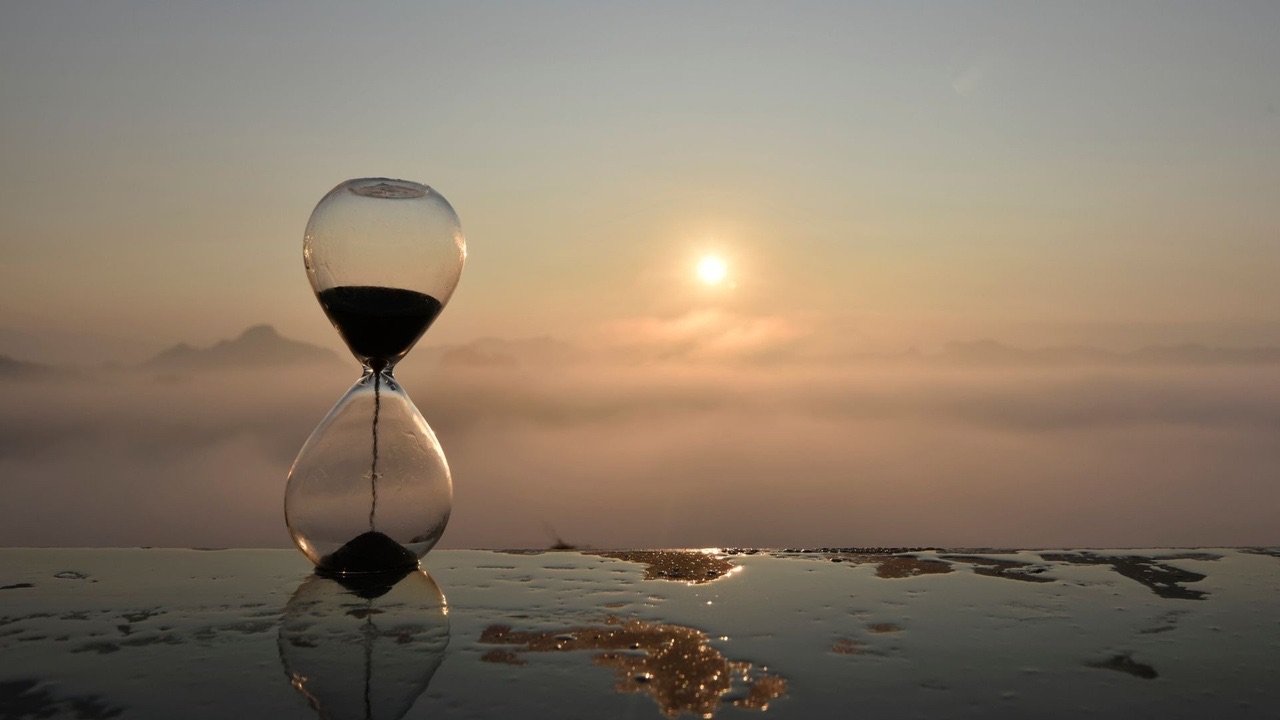
Is not impermanence the very fragrance of our days?
— Rainer Maria Rilke
It's every yoga teacher's worst nightmare: minutes before my livestream yoga class last Friday, the Zoom link failed. Students messaged frantically—"I can't get in," "the password isn't working"—and I felt my breath constrict, my hands shake, my thoughts spiral into catastrophe. A morning of ease and flow had become a real-time meltdown.
Ten minutes later, everyone was in. We practiced. The panic evaporated the moment I began teaching—specifically, when I started speaking about cultivating independent happiness, and remembered why I do this. The class felt warm and connected, maybe even better for its rocky start.
But those ten minutes of panic felt endless while I was in them. Now? They're completely gone. The tightness in my chest, the frantic messaging, the conviction that I'd failed—all dissolved the moment class started. And that class itself? Also gone. This morning? Passing even now as I write this.
This is impermanence—not as a philosophical idea, but as the living texture of your life, unfolding moment by moment.
You woke up today with 24 hours you didn't ask for and can't save for later. They're already unwrapping themselves, guaranteed to include moments of satisfaction and others that don't go according to plan.
As we move into the holidays, all of this gets amplified. You know what I mean—the perfect table you’re hoping to create, the comment from an irritable relative you’re already bracing for, the credit card statement arriving in January. The exhaustion of trying to make everything meaningful and memorable.
Here's what the Zoom debacle taught me: The moments you're resisting will come and go, just like the one you're in right now.
I teach people to meet their bodies and minds with less resistance and more acceptance—to notice the breath, soften around discomfort, and stop demanding that a pose feel different than it does. But when my password failed, that all went out the window. I wanted that moment to be different so badly that I couldn't be present for it.
What if you approached today differently? Not trying to make it perfect or even good, but simply meeting it as it unfolds—the crowded bus, the line at the store, the awkward conversation, the thing that breaks, the moment that surprises you.
What if impermanence isn't the problem—but our attachment is?
Impermanence reminds us that there’s no need to hold onto panic, disappointment, or the urge to control how this day goes. Today's frustration doesn't have to become tomorrow's story about yourself.
The yoga mat is a practice ground for this. We learn to meet ourselves where we are with utter self-acceptance and allowing. We release attachment to how our poses look. We soften and let the breath move through us spontaneously, without forcing it. Each small way we face impermanence in yoga cultivates aparigraha—the practice of letting go, not clinging so hard to a particular outcome, easing our grip on expectations.
These hours—this December day, this season of your life—aren’t waiting for you to optimize them or make them count. They're just here, fleeting and imperfect, asking only that you show up. Not with clenched fists, trying to make them into something they're not, but with open hands, letting them be exactly what they are.
What a precious gift to offer yourself and your loved ones this season. Not the pressure of a perfect holiday, but the permission to flow with what is—the frustration, the sweetness, the messiness, the delight—and to meet reality with presence rather than grasping.
These moments will come and go. Yoga teaches us the skill of meeting them fully.